What Does Diversity Mean to Us?
When you hear about a company moving, storing, or installing fine art, your mind will most likely imagine large sculptures or paintings. Maybe breathtaking galleries that tell a story. Perhaps historic artifacts that you truly can’t believe are still around to be witnessed. But, what is experiencing art like for those who are visually impaired? Or those who have trouble in crowded, noisy spaces?
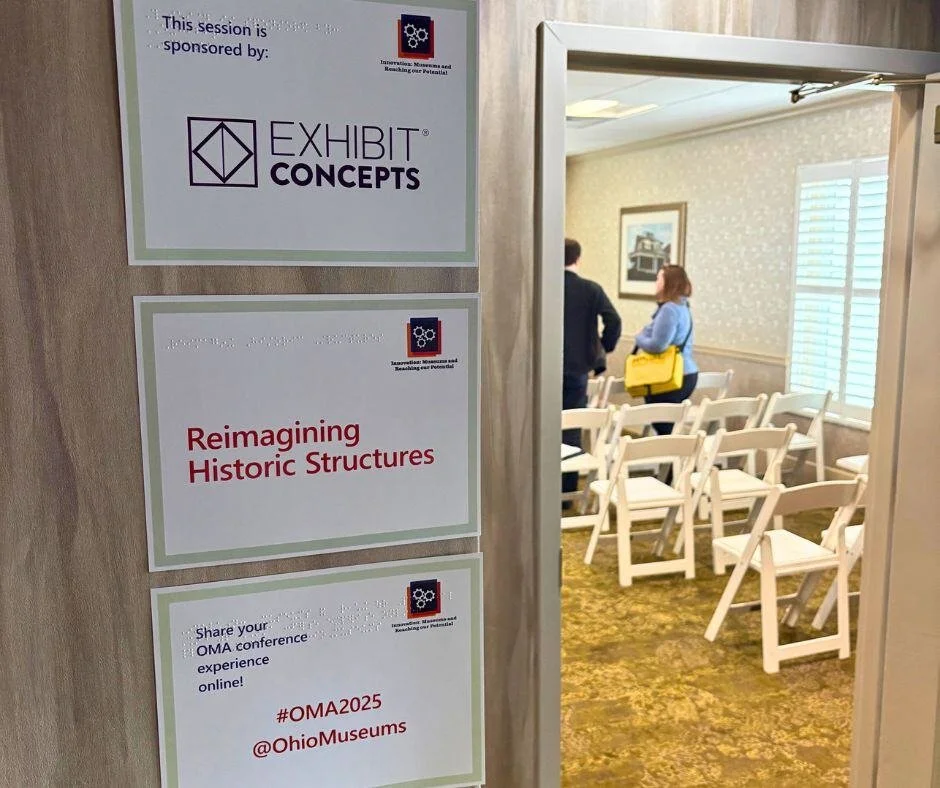
At the last Ohio Museum Association Conference (OMA), we learned about two remarkable individuals that are changing the way that diversity and accessibility are handled in the art world.
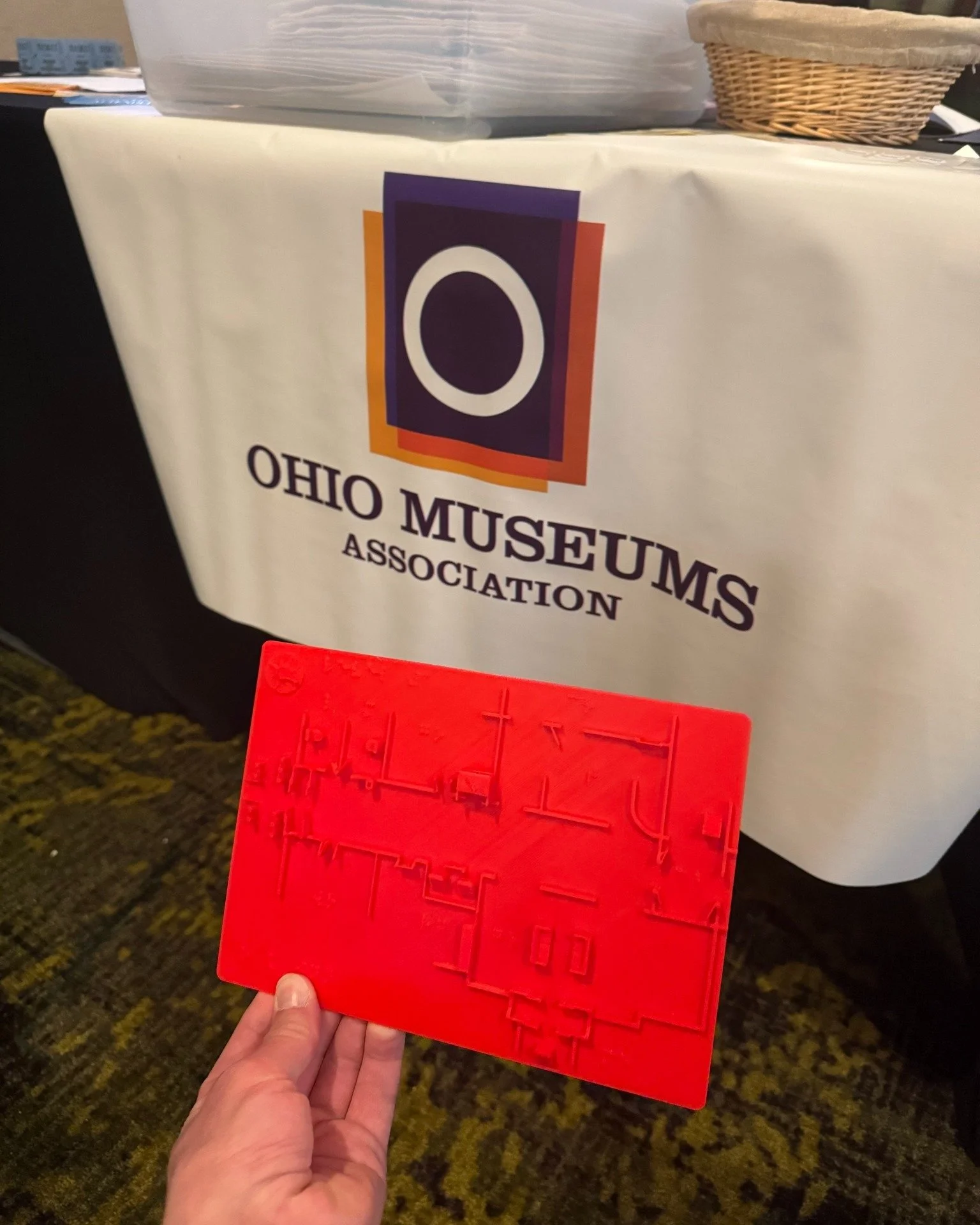
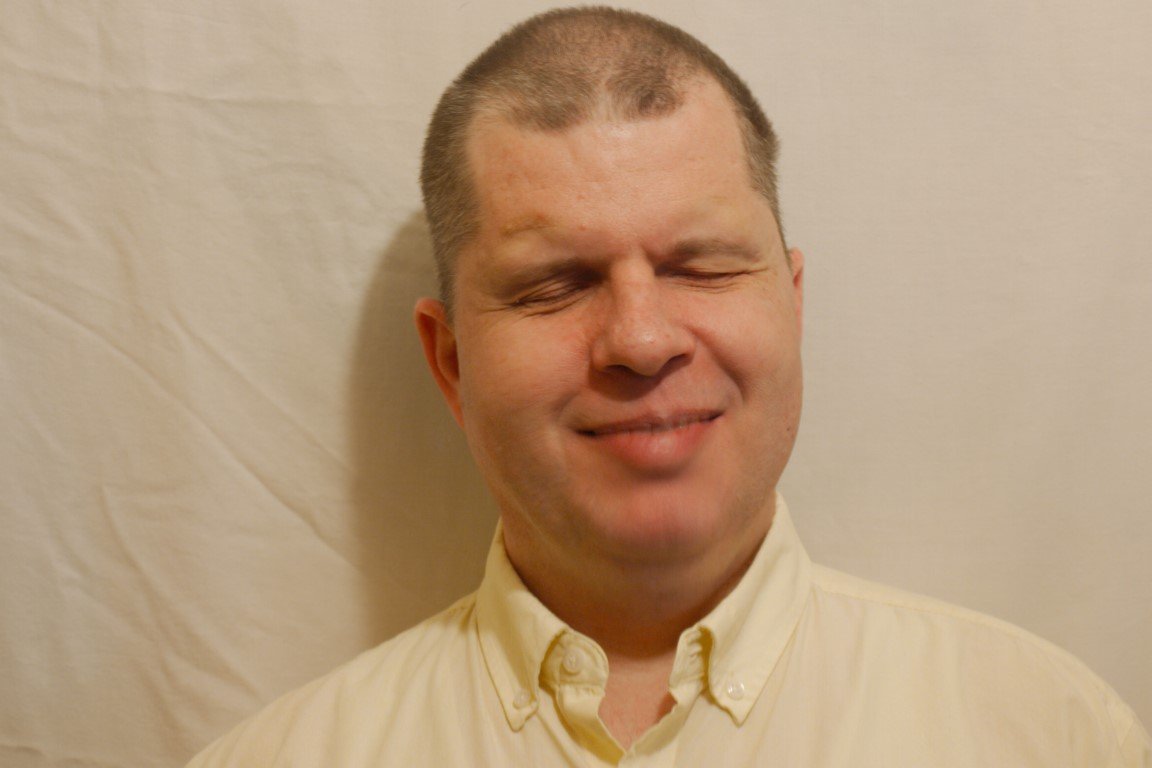
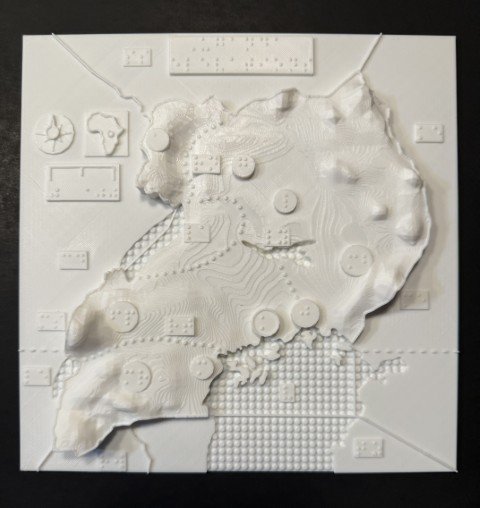
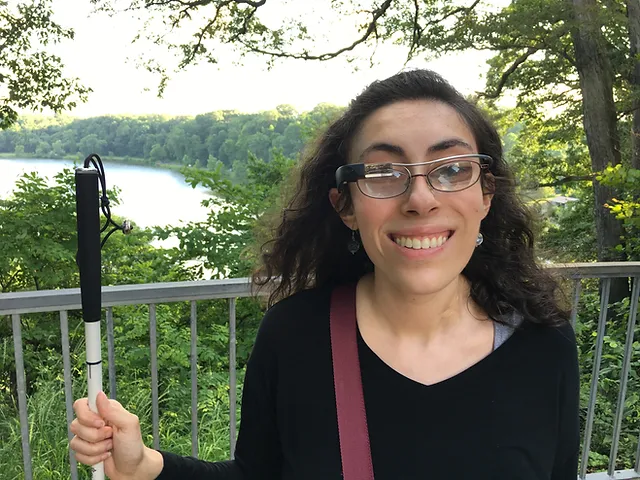
Tom Babinszki is a travel and tourism accessibility consultant and is the Founder of Even Grounds - a company dedicated to making travel and tourism accessible for people with disabilities. Legally blind, Tom was the chair of the accessibility committee for OMA in 2025. He created and donated a 3D floor map of the conference as well as implemented ways to make check in and registration as accessible as possible. As Tom mentions on his website, “What is the cost of making a conference more accessible, both financial or time invested. Accessibility does have a cost to it. The accessibility committee met at least 8 times and volunteered time to work on different aspects. Some components were donated, some had to be purchased. But I have to say many of the things we did often involved nothing more than common sense, or openness to the fact that not all people experience the world exactly the same way.”
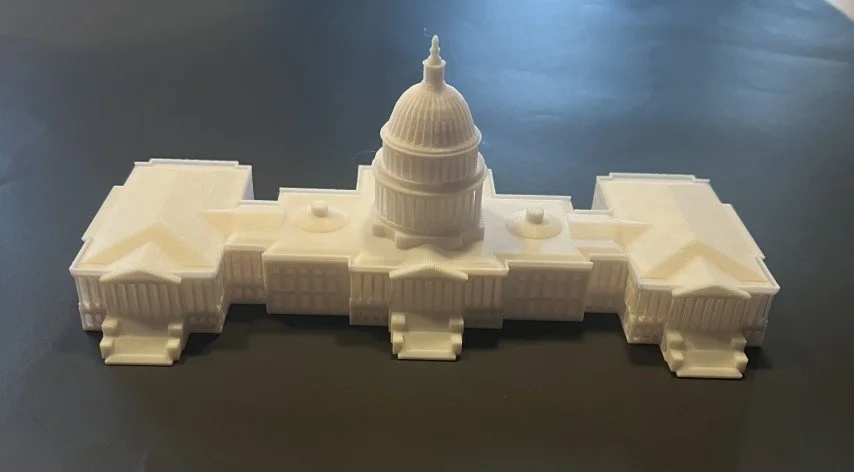
Creating a 3D floor map for the OMA wasn’t new to Tom, he has also created tactile 3D buildings of well known buildings from all over the globe. Including buildings such as the White House, Cleveland Terminal Tower, and more. These buildings are primarily designed for blind people to help them understand what buildings feel like, but they are made to be visually attractive as well.
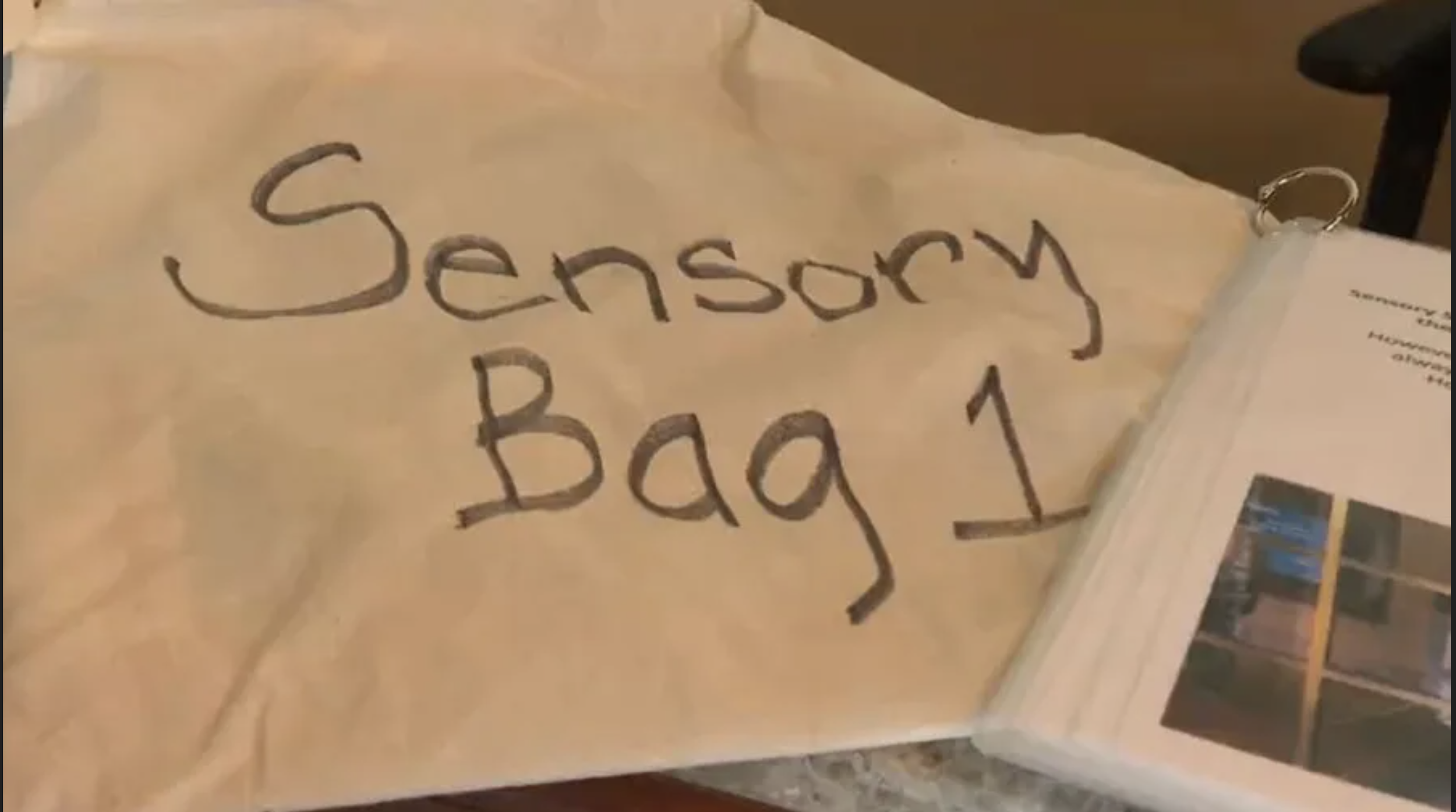
Joy Mistovich is the Digital Accessibility Specialist at the Butler Institute of Art. Joy became an AIRA interpreter, an amazing technology that connects people with blindness or low vision to visual interpreters who can help them accomplish tasks. She used this technology to help interpret the art pieces at the Butler Institute of Art. Currently, as she works on her PHD, she spearheaded Sensory Sundays at Butler. The first Sunday of every month, the museum is quieter and less crowded. Guests receive a sensory bag filled with noise-cancelling headphones, sunglasses, and other items to help create an inclusive experience. "They need to know and understand that the museum experience and artistic experiences overall should be and can be for everyone, regardless of ability or disability," Mistovich said.
Inclusivity doesn’t have to be 100% perfect but, it should be thought of and it should be taken into account. People of all ages, abilities and ways of life should be able to experience art and we’re excited to see how this continues to evolve in the years to come.